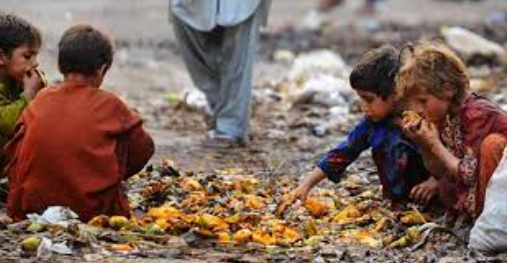
| For Pakistan, the IMF has become both a lifeline and a leash, an indispensable source of emergency financing that steadies the economy in times of crisis. But this highlights the country’s chronic inability to grow without external support. Over the past three decades, Pakistan has entered a dozen IMF programmes, each meant to stabilise public finances and lay the groundwork for reform. Yet despite repeated injections of cash and promises of structural change, the economy remains trapped in a cycle of boom-and-bust growth, stunted by low productivity, a narrow tax base, and persistent fiscal deficits. The uneasy relationship between the IMF and Pakistan has become a story not of transformation but of survival. Pakistan’s 12th IMF Programme in 35 years, the Extended Fund Facility was billed as more than just another bailout. Launched in July 2023, it promised not only to stabilise a battered economy but also to finally push through structural reforms that successive governments had either avoided or abandoned. With only three past programmes ever fully completed, this facility was framed as a test of political will as much as fiscal discipline. Could Pakistan break the cycle of short-term fixes and embrace long-term change? Yet doubts loom large. Stabilisation may bring temporary relief, but without reforms to widen the tax net, fix loss-making state-owned enterprises, and curb chronic energy-sector deficits, the Programme risks joining the long list of unfinished IMF stories in Pakistan. The objectives on paper are clear including sustainable growth, fiscal prudence, and resilience against external shocks. The harder question is whether the political appetite exists to follow through. Without that, the programme may steady the economy briefly, only to leave Pakistan bracing for its 13th IMF deal in a few years’ time. Pakistan’s economy may have stepped back from the brink of default, but stabilisation has not translated into reform. The recovery remains fragile and growth prospects are disputed, poverty and unemployment are painfully high, and the country’s fragile middle class is edging toward collapse. With another IMF review approaching, the finance team would do well to resist the temptation of self-congratulation. Past experience shows that “stability” in Pakistan is often fleeting. The real test lies in confronting deep structural flaws rather than celebrating a temporary reprieve. The government’s top priority should be persuading the IMF to move more quickly from stabilisation to growth. A target of 3.5% growth for FY2025-26—assuming it is even met in the wake of catastrophic floods—will do little to lift living standards or absorb the swelling ranks of young jobseekers. Persistently low growth shifts the entire weight of higher taxes onto salaried middle-class households, already squeezed by inflation and stagnant wages. Without faster expansion, Pakistan risks grinding its most productive class into exhaustion while offering its youth little more than frustration. Furthermore, Pakistan must urgently abandon its excessively cautious monetary stance. With inflation now subdued, interest rates should be cut to revive investment and demand. Fiscal discipline must remain, but the shrinking Public Sector Development Programme needs rebalancing: spending should tilt toward labour-intensive, locally driven projects rather than import-heavy schemes. In practice, that means shifting more infrastructure investment—particularly at the provincial level—closer to communities, where it can create jobs and stimulate growth without draining scarce foreign exchange. The government and the IMF must face a blunt truth, that is, Pakistan’s rural economy is in deep distress. The country’s ten million farm households are seeing their incomes collapse, pushing many into poverty. This is not simply the result of scrapping wheat support prices and handing control to market forces without first creating a fair and functioning market. Rising input costs, particularly energy, have further eroded margins across crops. An urgent, province-led review of agricultural reforms under the IMF programme is needed to prevent the sector from sliding into long-term decline. Industry, too, faces challenges. Tariff reforms, while boosting some manufactured exports, risk fuelling a surge in imports that could once again destabilise growth. The impact of these policies needs careful scrutiny. Meanwhile, reform of the civil service which is considered a pillar of the state must be handled with caution. Radical overhauls may undermine morale and continuity among officials who keep the machinery of government functioning. Sequencing, not speed, should guide reform. Living under IMF tutelage is Pakistan’s reality for the next few years, with a high chance that the current programme will either be extended or replaced. The government must deliver on its promises of macroeconomic stability and structural reform. But it must also push back on the Fund where necessary, highlighting flaws in the programme that disproportionately hurt the poor. If Pakistan can present a credible case for adjustments, the IMF may be persuaded to listen. Whether the political will exists to do so is another question entirely. Dr. Muhammad Shahid & Rehan Khalid |